
For the past few years I have been working on Moss and Lichen, which will be available this week in the US (Reaktion Books, 2025), having appeared in the UK at the end of December, 2024. Reaktion Books is a London-based publisher whose books are distributed in the US by the University of Chicago Press. Moss and Lichen appears in Reaktion’s Botanical Series. The goal of the series is to convey social and cultural history as well as botanical and horticultural background for each title. The mosses and lichens of Vinegar Hollow prepared me for writing this book many years ago.
As a young girl I scoured our farm in Vinegar Hollow, Highland County, for wildflowers, but I was in competition with cows and sheep who grazed the fields, and even the forest, incessantly and methodically. When failing to find wildflowers to identify with my trusty Margaret McKenny and Roger Tory Peterson’s Field Guide to Wildflowers: Northeastern and North-central North America, I would turn my attention to mosses and lichens. I had no guides, but I was happy just observing. The farm was isolated, and I was desperate to see things. I realize now that mosses and lichens taught me to see everything better. They were everywhere, but I had to peer, often kneel, and look very closely. And marvels appeared if I was patient.

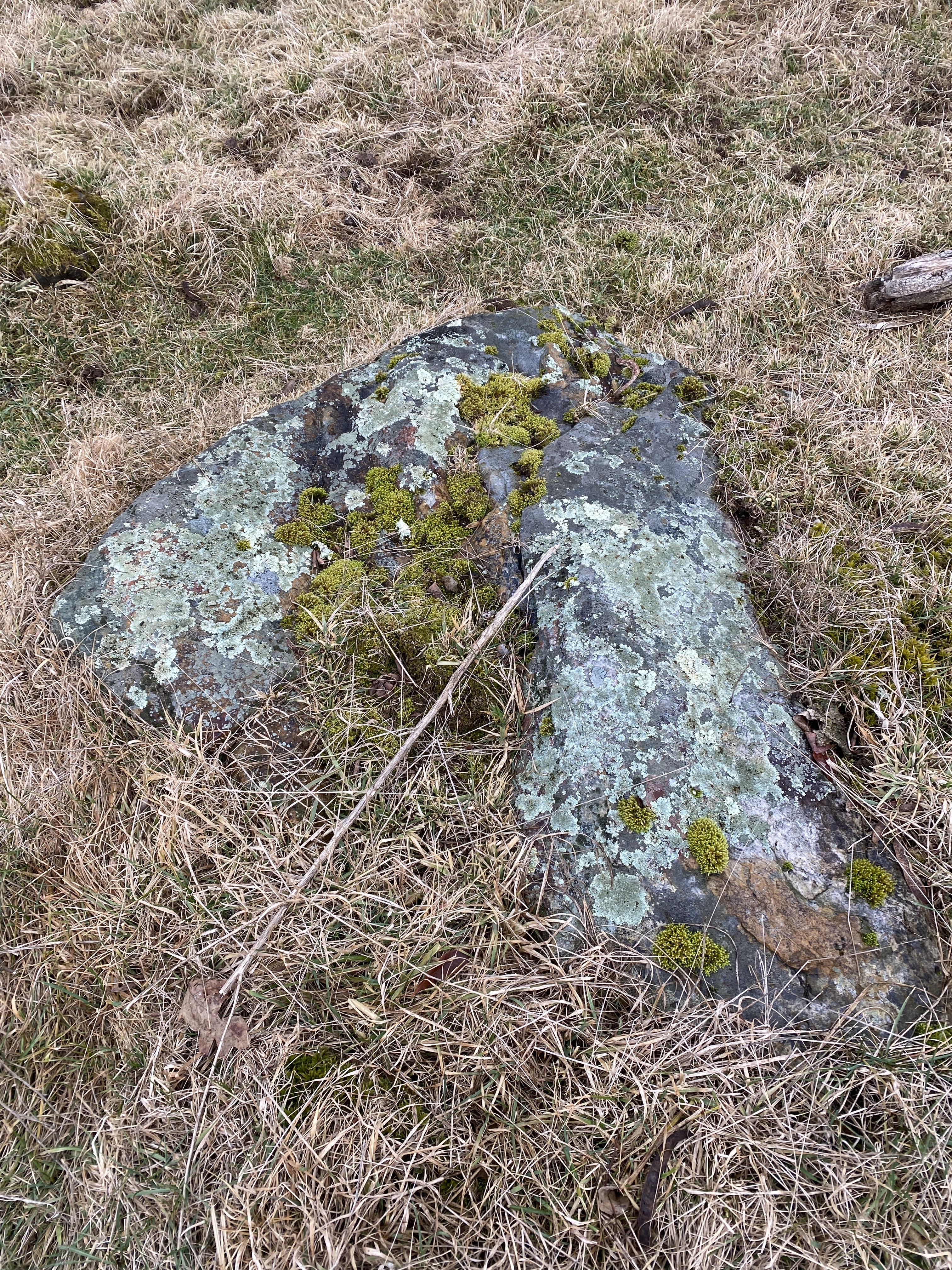
Mosses and lichens have overtaken this rock.
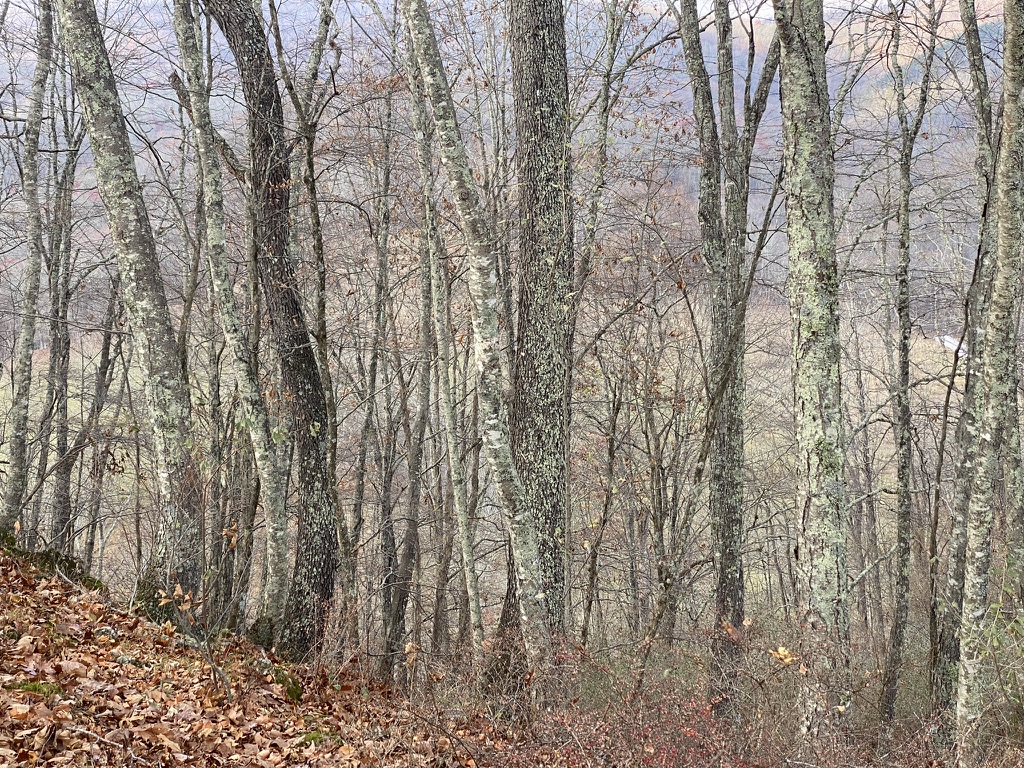
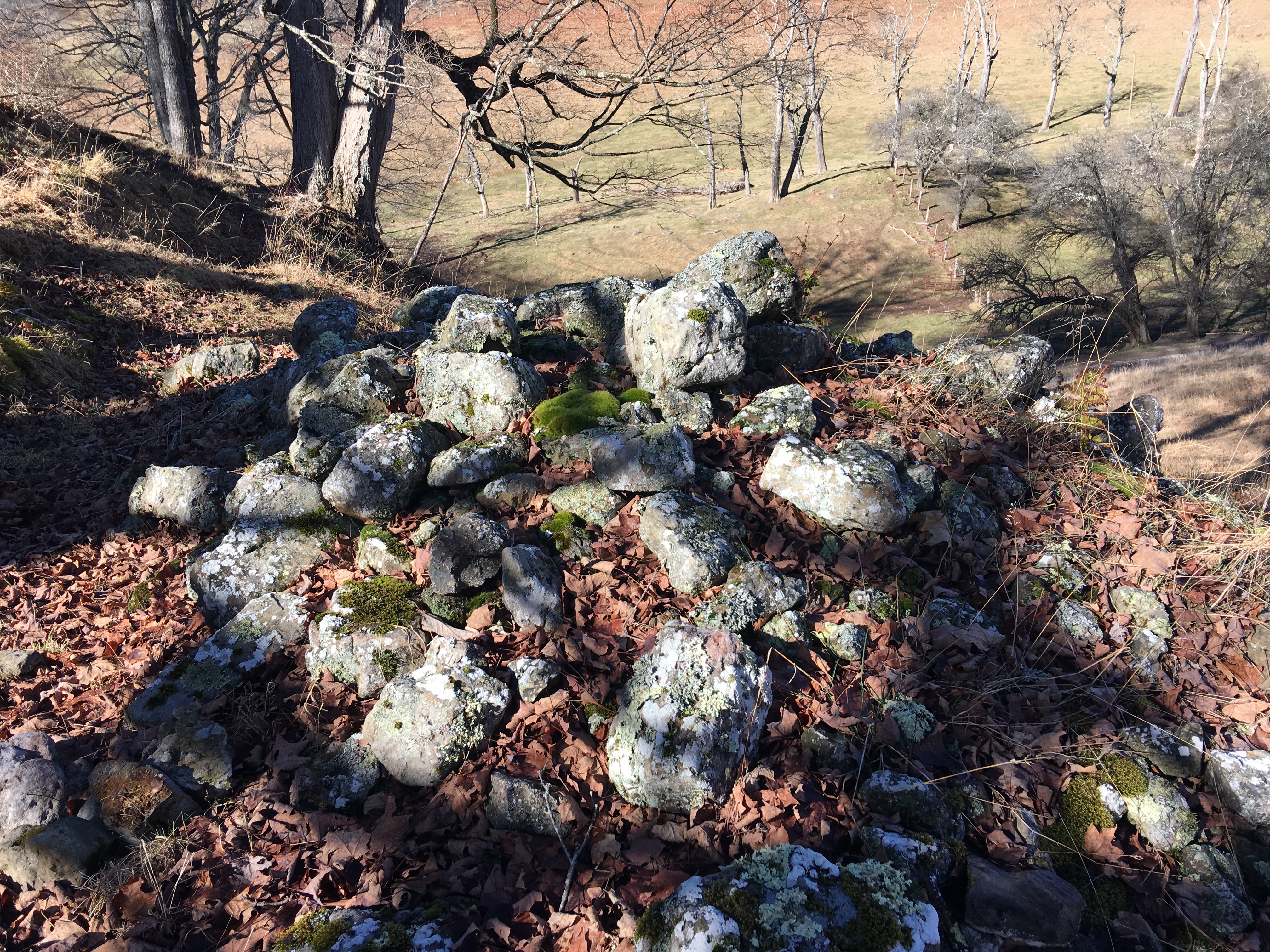
The landscape here is deeply textured by the mosses and lichens that bring life to so many surfaces—of fence posts and rails, rocks, boulders, bark, soil, and even metal farm gates. In winter the trees reveal bark tinted impressionistically by innumerable mosses and lichens that have found habitat in the wrinkles and fissures of bark. The effect is otherworldly. From a distance the ridges of these very old Appalachian Mountains seem populated by an army of ghost trees. After a rain the landscape would shimmer in moss-and-lichen shades of green, gold, blue green, gray green, yellow green, and more. Rock piles and fence posts come alive. Sometimes I would notice a pop of bright-green fuzz on the hillside, a tiny moss too small for a cow to eat.


While not a field guide, I hope Moss and Lichen will introduce readers to their history and presence in our lives and to an understanding of their biology and diversity. There are stories about fascinating people, men and women, professionals and amateurs, who have dedicated their lives to studying these elegant, sophisticated organisms. I also draw on the words and images of writers and artists who offer other perspectives.. Mosses and lichens repay attention. They accompany us wherever we go. They bring us closer to the Earth, literally, spiritually, and imaginatively. They move us to ask questions about how they survive in extreme conditions and about what we value in our world. Yes, they are hard to see—but because they are minimalists, they are also survivalists, who will find habitat on this Earth to the very end, despite our misguided attempts to usurp space for ourselves.

I am grateful to Reaktion Books for the chance to write this book. Its team of publishing professionals (art editor, copyeditor, proofreader, book designer, and more) is relentless in the search for flawless production of a beautiful book.
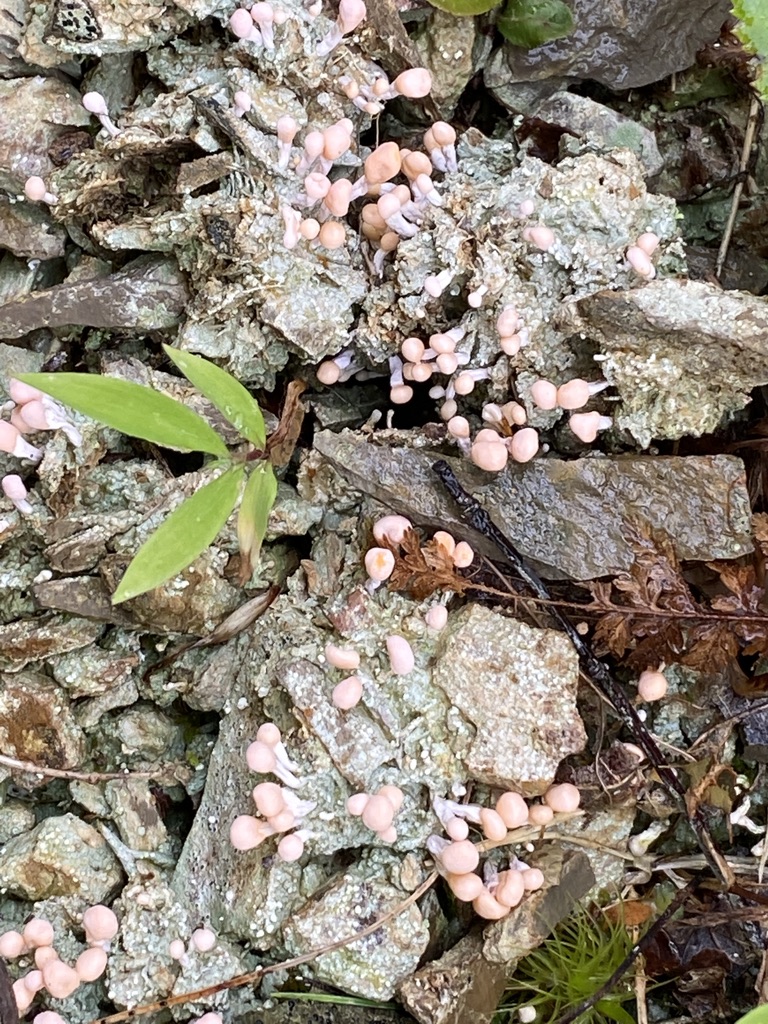
right corner).
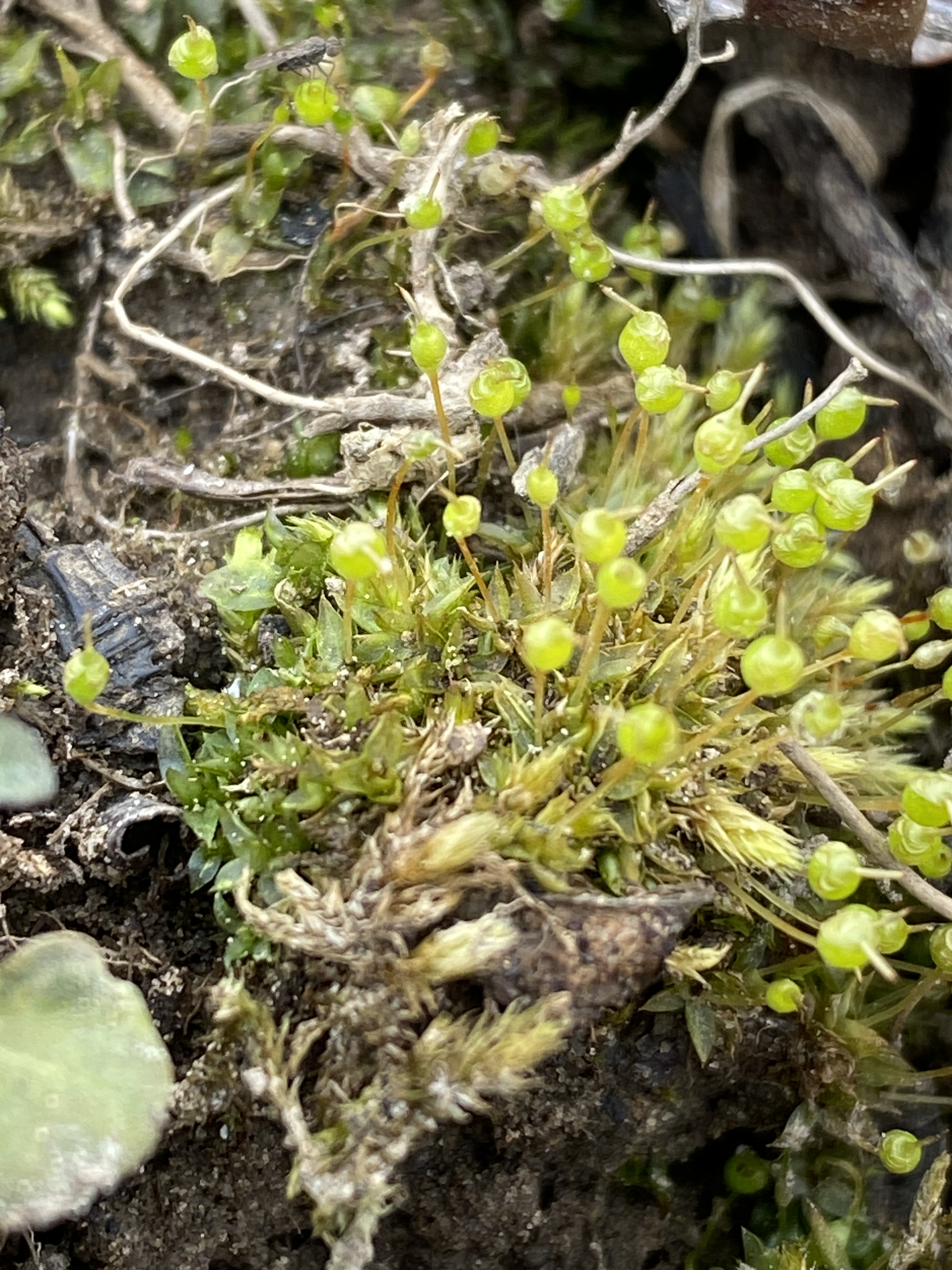
For more images of the mosses and lichens of Vinegar Hollow, see Vinegar Hollow: 2019 (mist) ends and 2020 (sun) begins!
 elizabeth winpenny lawson ...writing as a naturalist